Divine Wonders
He has made everything beautiful in its time. Ecclesiastes 3:11
The King's Speech

Movie Recap
The King’s Speech is a British film based on true events. King George VI of the United Kingdom (father of the late Queen Elizabeth II and grandfather of the current King Charles III) was shy and had suffered from a severe stutter since childhood. After trying numerous doctors without success, his wife sought out an Australian speech therapist, Lionel Logue.
The film tells the story of Albert (George VI’s name before he became king) as he undergoes treatment, slowly building trust and friendship with Logue. With Logue’s help, he overcomes his inner obstacles and, at the outbreak of World War II, fulfills his duty by delivering a radio address to the entire nation—one that inspired the British people’s courage to fight for justice.
Stuttering
For Albert, stuttering was a source of deep insecurity and shyness. Today, many people jokingly call themselves “wallflower” as a way of masking insecurities rooted in all kinds of personal “shortcomings.” Beyond physical disabilities, these might be appearance, height, weight, hair loss, athletic ability, childhood experiences, family background, or cultural heritage—the list goes on.
Where do you feel your deepest insecurities lie?
The Therapist with No License
He could have easily become a royal physician, enjoying less work, higher pay, and greater status. Instead, he insisted that Prince Albert come to his modest clinic. The first step toward healing was humility—admitting you need help. It’s much like the first step in Alcoholics Anonymous: “We admitted we were powerless over alcohol—that our lives had become unmanageable.”
Logue gradually earned Albert’s trust. Albert began to open up, sharing childhood wounds. “You’re the first person I can truly confide in,” he said. That’s the second step of healing: having a safe space to open up and be heard.
When Albert doubted himself, Logue told him, “I see your resilience… You’re the bravest man I know. You will make a great king.” That’s the third step of healing: to be seen and believed in.
Today, we live in an age where people seek out specialists for everything. Yet often, what we really need is a “Logue”—someone who neither flatters nor belittles us, who listens, acknowledges our efforts, and believes in our potential.
No Logue? Then What?
Albert was fortunate to have Logue. But what if you don’t have one?
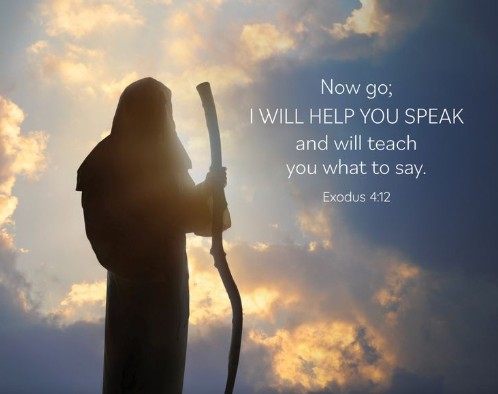
In the Bible, there’s a man named Moses. God gave him a great mission, yet—like George VI—he protested: “Pardon your servant, Lord. I have never been eloquent… I am slow of speech and tongue.” God replied, “Who gave human beings their mouths?… Is it not I, the Lord? Now go; I will help you speak and will teach you what to say.”
Still, Moses resisted: “Pardon your servant, Lord. Please send someone else.” So God sent his eloquent brother Aaron to speak for him. Yet over forty years of leading Israel through the wilderness, Moses gradually stopped relying on Aaron. He addressed the people, leaders, and even foreign rulers directly—fearlessly. By the time we reach the long speeches of Deuteronomy, Aaron had already passed away.
May each of us have a “Logue” in our lives.
But if you don’t—
you can go directly to God for help.
He longs to help you, to listen, to heal.
In His grace and presence,
you can overcome your weaknesses
and live a beautiful, full life.